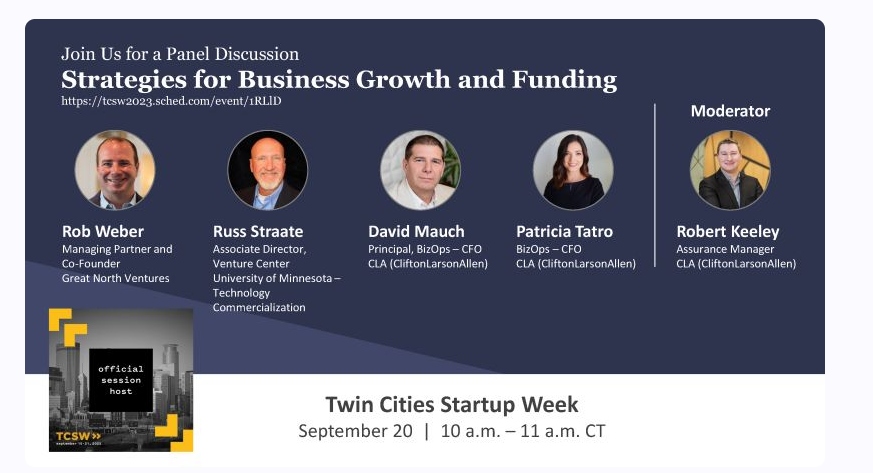

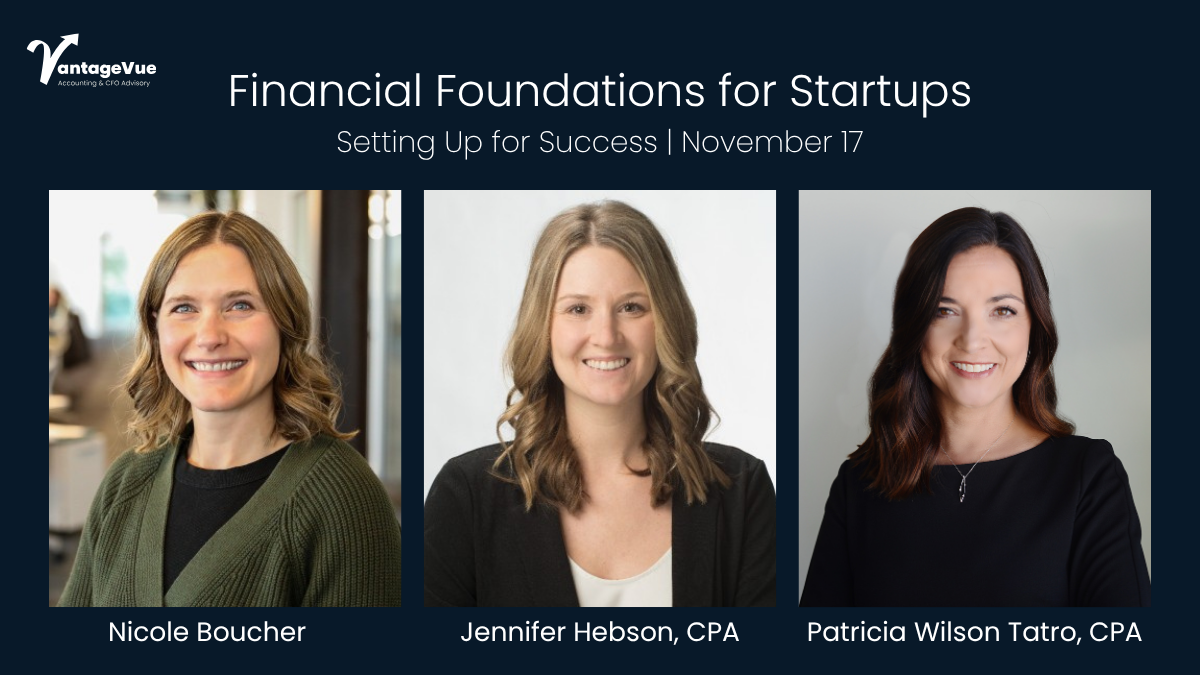
Patricia Wilson Tatro, a CPA and Founder and Fractional CFO at VantageVue talked to Startup Wisconsin about Financial Foundations for Startups. She said that startups need to set up their finances in a way that will help them succeed. Patricia Wilson Tatro told founders and people in charge of finances that they need to build a finance system plan for taxes and be careful not to make mistakes that can cause cash flow problems.
Start with a right-sized finance stack
Patricia recommended that founders should start with a simple system that they can grow into. This includes:
- A core ledger and payroll system that uses cloud accounting and has a chart of accounts. The payroll system should be integrated so that taxes can be filed accurately.
- A billing and accounts payable system that automates invoicing, collections and approvals. This can help reduce errors and delays at the end of the month.
- A system for keeping track of documents including contracts, SOWs and approvals. This can help speed up audits and requests from investors.
Projections that investors can actually trust
Patricia quoted that startups should not just make guesses about their finances. Instead they should make projections that are based on numbers. This includes:
- Top-line drivers: Pipeline stages, win rates, average contract value, ramp timing.
- Cost structure clarity: Separate fixed vs. variable costs; model hiring plans with start dates and fully loaded costs.

Sweat equity, grants, and tax triggers
Startups need to be careful with equity and incentives because they can cause tax problems if not planned correctly. This includes:
- Equity comp: Get cap-table hygiene early; document vesting, timely 83(b) elections where applicable, and board approvals.
- Contractor vs. employee: Align classification with control, tooling, and deliverables; misclassification risks are costly.
- Grants and credits: Track eligible costs contemporaneously; store support (statements of work, time logs, payroll reports).
Year-end checklist: close fast, file clean
Patricia’s practical year-end run-book:
- Monthly close cadence: Reconcile cash, AR/AP aging, payroll, prepaids, and accruals; carry a “close issues” list.
- Revenue rules: Map contract terms to recognition; note variable consideration and milestones.
- Capex and tools: Tag capitalizable items; maintain support for useful life and in-service dates.
- Data room: Keep a live folder with financials, bank statements, key contracts, tax notices, and board materials.
What investors expect in the deck
Founders should be ready with:
- Clear problem/solution as well as an ideal customer profile (ICP)
- Unit economics, including margin, payback and lifetime value to customer acquisition cost with assumptions.
- Hiring plan and runway that is linked to milestones, not just months of cash.
- Governance readiness including controls, segregation of duties and an approval matrix.

Since that 2023 session (context update)
- For tax years beginning in 2022, many R&D costs under §174 generally must be capitalized and amortized (rather than immediately deducted), which affected cash taxes for some startups.
- Eligible companies may still claim the federal R&D credit (§41) on qualified research expenses, and certain smaller startups can apply a portion of that credit against payroll taxes (subject to eligibility rules and caps).
- In 2025, lawmakers discussed proposals aimed at making the treatment of R&D expenses more favorable than the 2022–2024 capitalization regime. As of publication, outcomes may change; founders should confirm current rules before year-end planning.
This section is informational only. Please consult your tax advisor for applicability to your company.
Startup Wisconsin — “Financial Foundations for Startups: Setting Up for Success and Preparing for Year-End,” Nov 17, 2023 (virtual).
Why this matters now
Hiring markets remain competitive, automation is changing task portfolios, and macro volatility demands faster scenario cycles. Finance teams that hire for mindset, operate with inclusion and trust, and grow talent internally are better positioned to partner with the business, translating analysis into action while retaining knowledge through change.
Key takeaways
- Hire for curiosity, ownership, and problem-solving; teach the tools later.
- Test mindset and storytelling in interviews—not just technical skills.
- Build inclusion with real access; push decision rights down and let people present.
- Track culture under stress (retention, engagement); intervene when high performers go quiet.
- Coach the analyst-to-manager leap; normalize mistakes as learning.
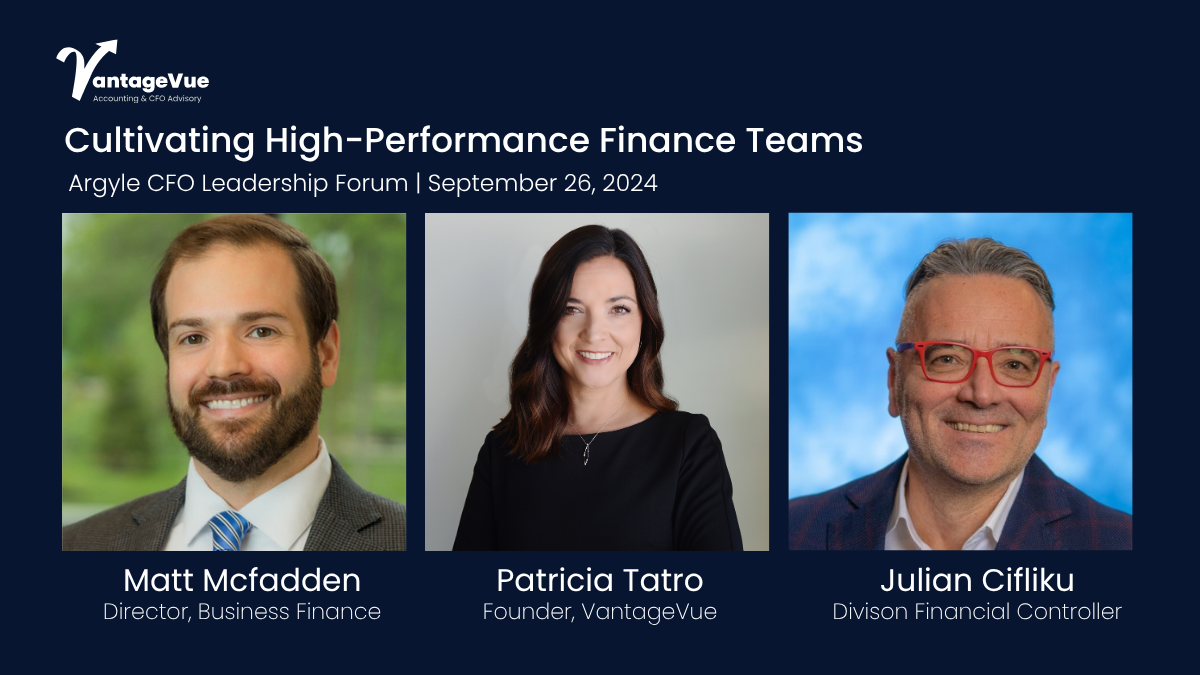
Argyle CFO Leadership Forum — “Cultivating the Best Finance Team for Long-Term Success,” September 26, 2024 (virtual).
For more details Click Here or link below.
https://www.linkedin.com/events/financialfoundationsforstartups7128812530684100608/