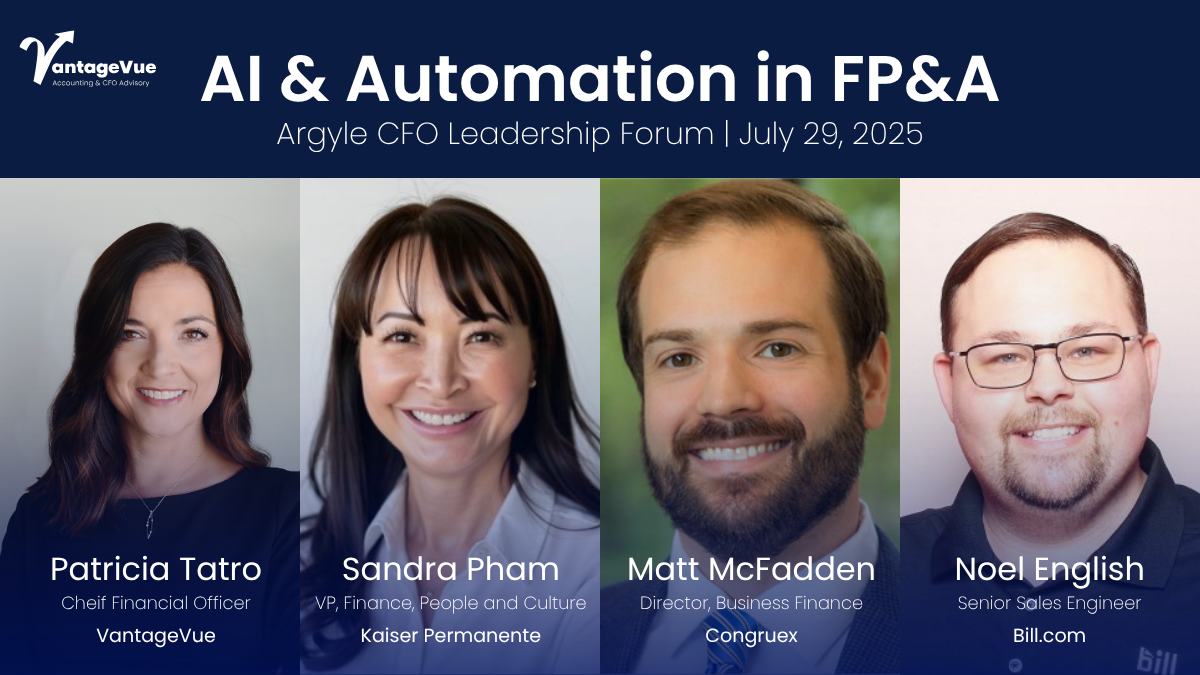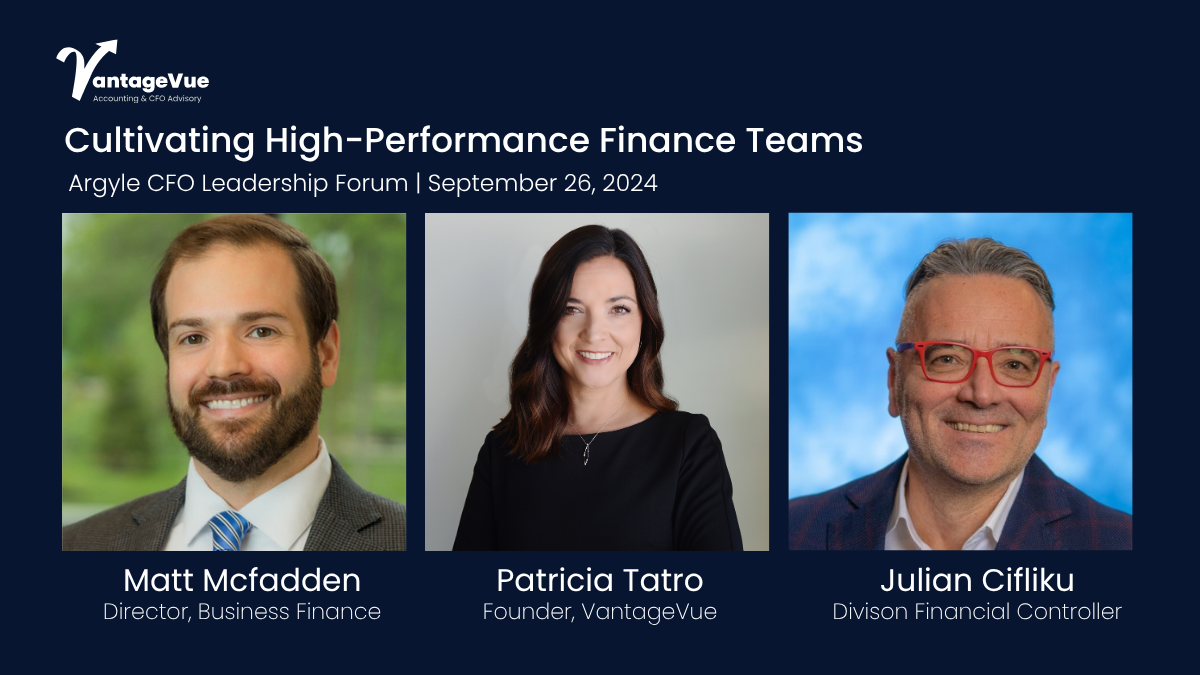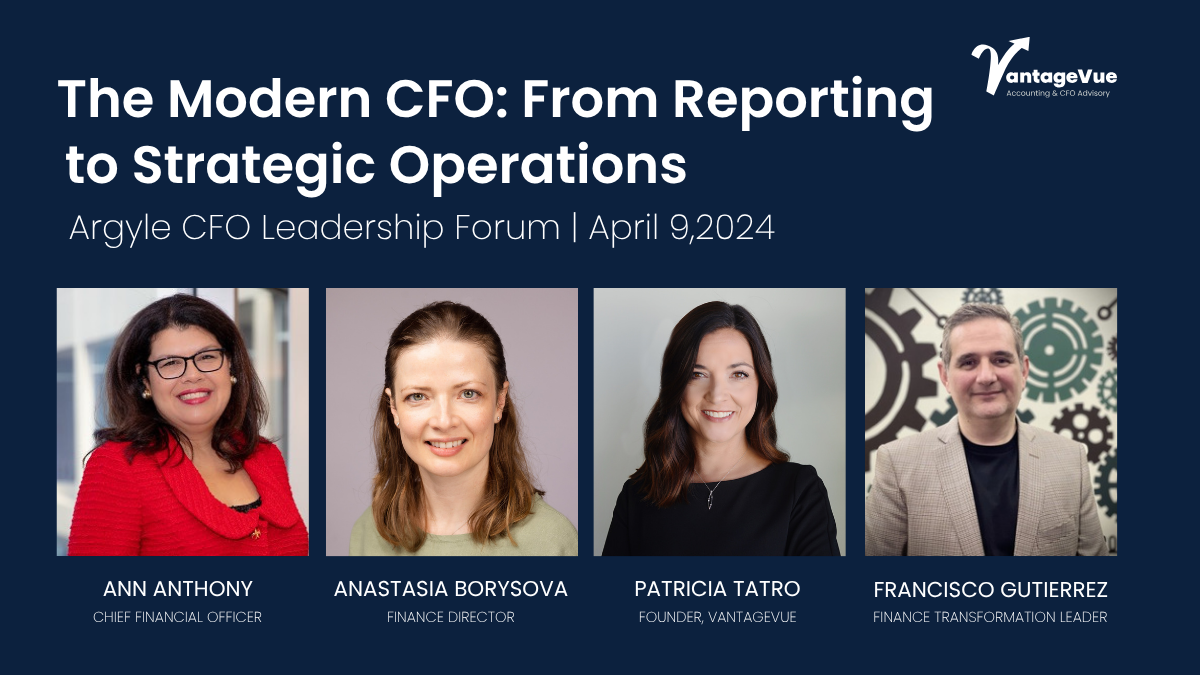

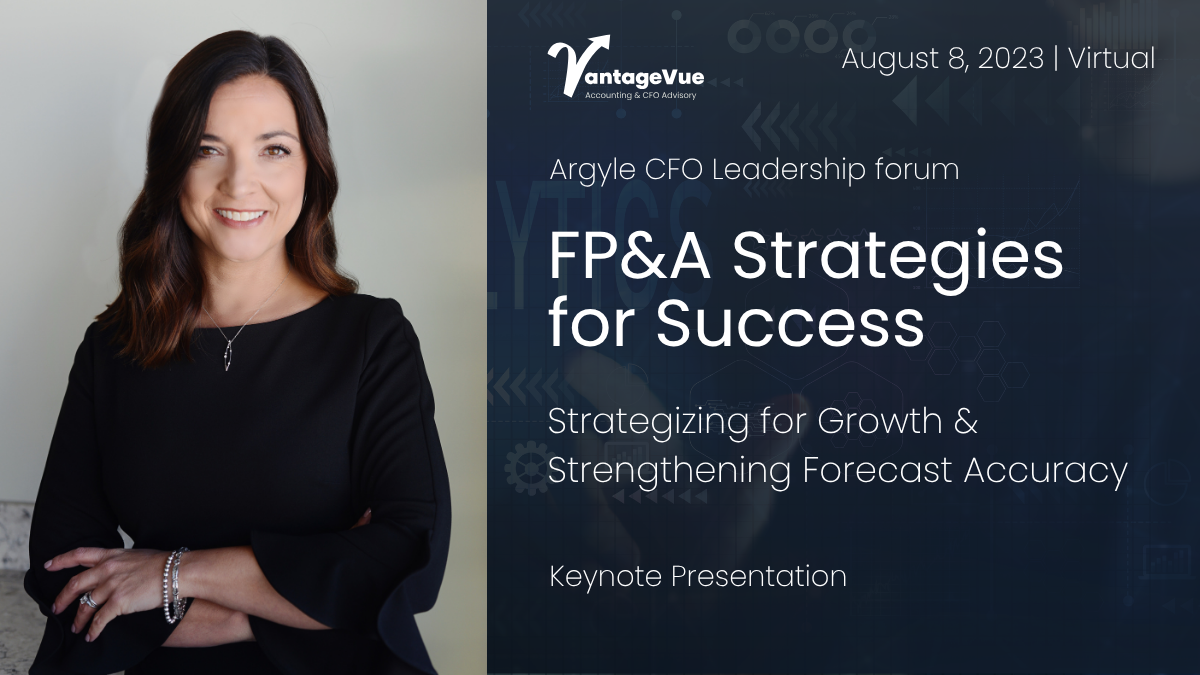
At the Argyle CFO Leadership Forum, Patricia Wilson Tatro, CPA, delivered a keynote on modernizing Financial Planning & Analysis (FP&A) to improve forecasting accuracy, strengthen cross-functional alignment, and support strategic growth.
Her session focused on how finance leaders can evolve FP&A from retrospective reporting to forward-looking decision support in rapidly changing business environments.
Modern FP&A: From Reporting to Strategic Planning
Traditional FP&A functions center on budgeting, forecasting, and variance analysis. Patricia emphasized that today’s finance teams must expand beyond historical reporting and become strategic partners to leadership.
Modern tools allow FP&A to move from heads-down data compilation to heads-up analysis, enabling faster and more informed business decisions.
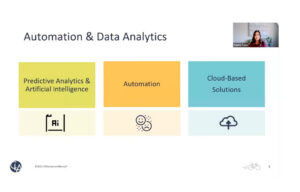
Leveraging Automation and AI in Finance
A central theme of the session was the role of automation and emerging AI tools in improving efficiency and financial accuracy.
Key areas of impact include:
- Automating transactional workflows such as accounts payable
- Accelerating reporting cycles through cloud-based systems
- Designing KPI dashboards focused on core business drivers
- Reducing manual errors to strengthen forecasting reliability
Patricia positioned AI as an analytical enhancer, not a replacement for human judgment. Automation improves speed and consistency while finance leaders remain accountable for interpretation and strategic direction.
Strengthening Forecasting Accuracy
Organizations struggling with forecasts often face foundational data challenges. Patricia highlighted the importance of:
- Clean revenue recognition processes
- Clear separation of fixed and variable costs
- Accurate transaction coding
- Defined forecasting assumptions
Forecast accuracy improves when financial inputs are structured, consistent, and aligned with operational realities.
Scenario Planning and Business Agility
To manage uncertainty, Patricia encouraged finance teams to institutionalize scenario modeling.
By developing base, upside, and downside projections, organizations can:
- Evaluate hiring and capital investment decisions
- Model cash flow impacts
- Assess revenue growth sensitivity
- Prepare contingency plans
Scenario planning strengthens agility and reduces decision-making risk in volatile markets.

Eliminating Data Silos Through Collaboration
Effective FP&A requires strong collaboration across departments, including sales, marketing, operations, and HR.
Cloud-based financial tools, shared models, and real-time dashboards enable:
- Unified data visibility
- Cross-functional planning alignment
- Improved communication
- Faster strategic pivots
Breaking down silos improves both forecast quality and execution discipline.
The Future of FP&A
Looking ahead, Patricia outlined continued evolution in:
- AI-supported contract analysis
- Enhanced benchmarking capabilities
- Real-time financial dashboards
- Faster forecasting cycles
- Greater integration between finance and operational planning
While technology will automate data processing, strategic oversight and accountability remain human responsibilities.
Argyle CFO Leadership Forum, “FP&A Strategies for Success,” August 8, 2023 (Virtual)
For more details Click Here or link below to watch the video.