

Good data hygiene isn’t about cleanup—it’s about design.
A clean Chart of Accounts (COA), a single reconciled source of truth, and a structured close checklist form the backbone of trustworthy financial data. This guide outlines how to design each so your team spends less time reconciling and more time analyzing.
Who this is for: Founder–CFO teams, controllers, and FP&A leads building finance systems that scale with accuracy and speed.
KEY TAKEAWAYS
- Hygiene = design × discipline, not cleanup.
- Align your COA to reporting logic—not accounting convenience.
- Establish a single reconciled data flow from ERP to board deck.
- Use close checklists as operating routines, not to-do lists.
What “Data Hygiene” Really Means (in plain English)
Data hygiene is a design problem, not a data problem.
Every time your close drags, your KPIs misalign, or your forecasts don’t tie to actuals, it’s rarely because of bad tools—it’s because your data structure wasn’t built for reporting.
Finance hygiene rests on three pillars:
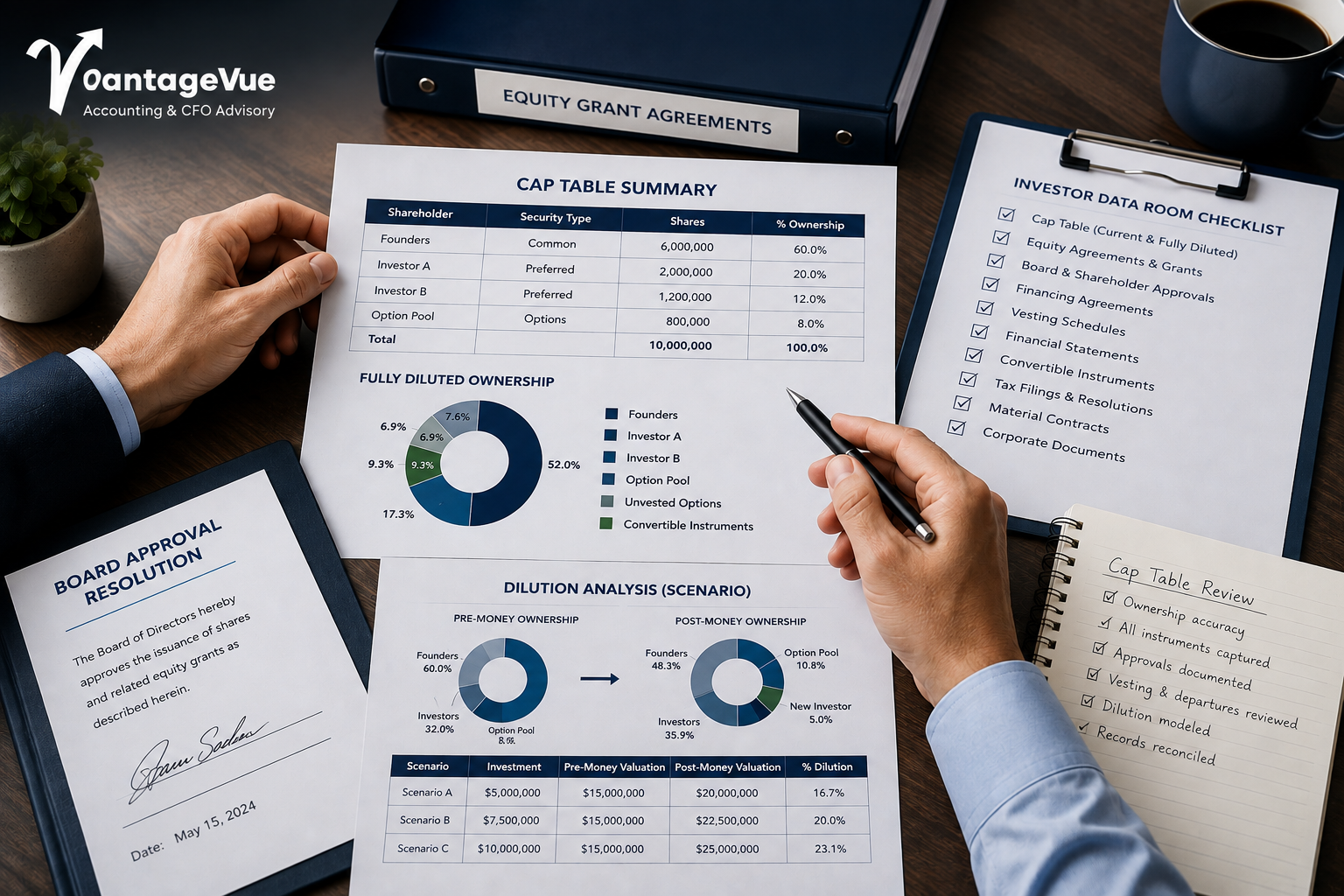
- Chart of Accounts (COA) design– consistent structure.
- Single source of truth– reconciled flow of data.
- Close checklists– repeatable discipline.
Pull-quote: “Data hygiene is design discipline, not cleanup.”
Chart of Accounts (COA) Design: The Foundation
A COA isn’t an accounting artifact—it’s a reporting logic tree. Its purpose is to enable decision-quality reports across FP&A, accounting, and RevOps without translation errors.
Common mistakes
- Thousands of redundant accounts with unclear ownership.
- Mixed segment meanings (e.g., using the same segment for both department and geography).
- No link between COA rollups and management reporting structure.
Best practices
- Keep 4–5 core segments: Entity / Function / Department / Account / Project.
- Separate operating vs non-operating and recurring vs one-time accounts.
- Align COA hierarchy to management reporting (not just statutory).
- Document the COA logic in a one-page map that accounting, FP&A, and auditors can all read.Try this: Pick one revenue account and trace it from journal entry to board deck. If you pass through more than two lookups or spreadsheets, your COA isn’t aligned.

Single Source of Truth: Building Trust in Numbers
Goal: Every metric—revenue, gross margin, runway—flows from one reconciled dataset.
What breaks it
- Different teams using different definitions (“net revenue,” “MRR,” “bookings”).
- Multiple Excel workbooks merging unlinked data from ERP, CRM, and payroll.
- No formal handoff between accounting close and FP&A forecast.Fixes
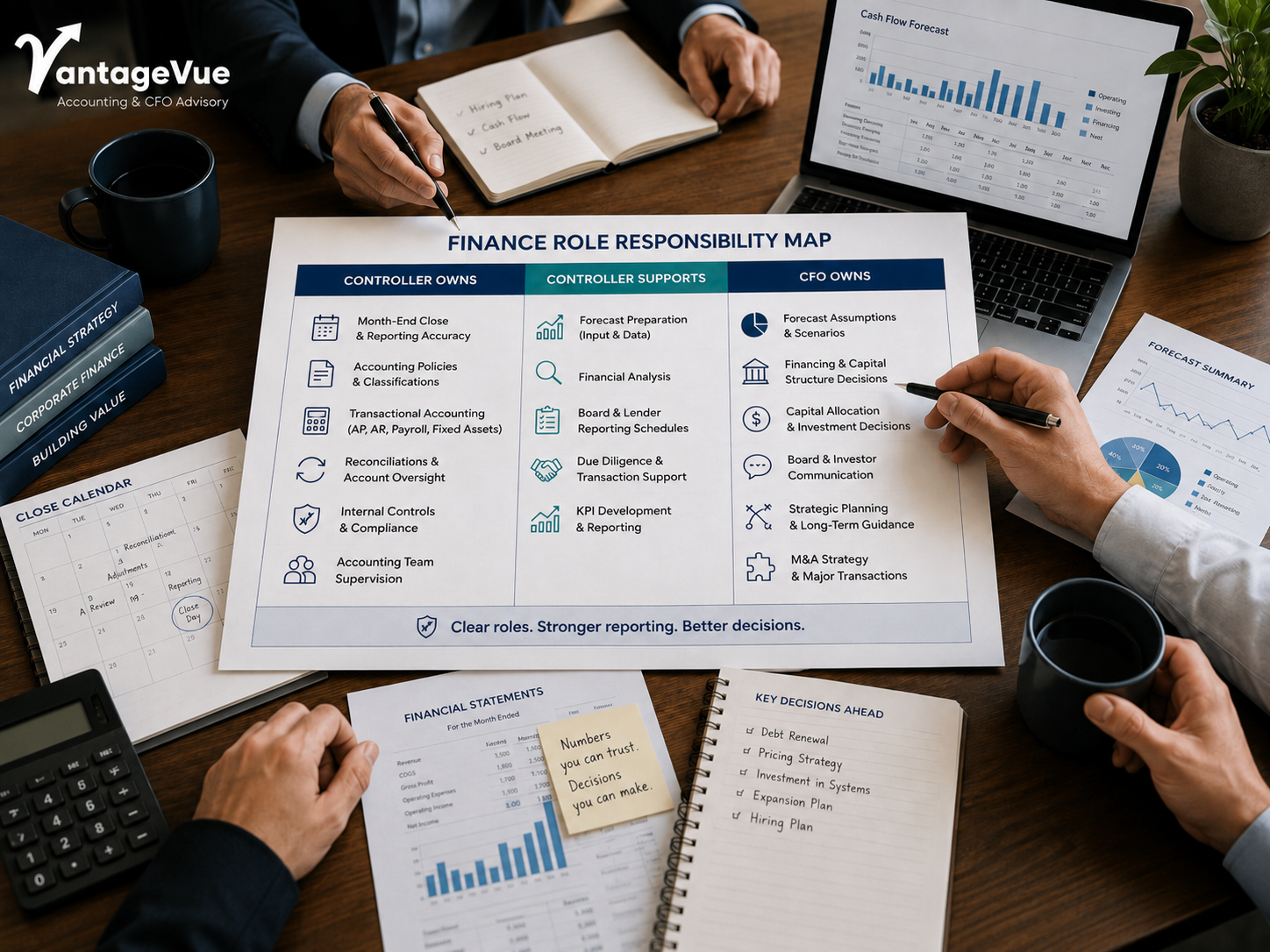
- Define data ownership: accounting owns actuals, FP&A owns scenarios, RevOps owns pipeline.
- Create a data flow map: ERP → FP&A model → BI → Board Pack.
- Reconcile the model to the ERP monthly.
- Maintain an Assumptions Log: what changed, who changed it, and when.Formula: Data Trust = (Defined Ownership × Reconciliation Frequency) ÷ Manual TouchpointsCue: If you’re checking the same KPI in two systems, you don’t have a single source of truth.

Close Checklists: Making Hygiene Routine
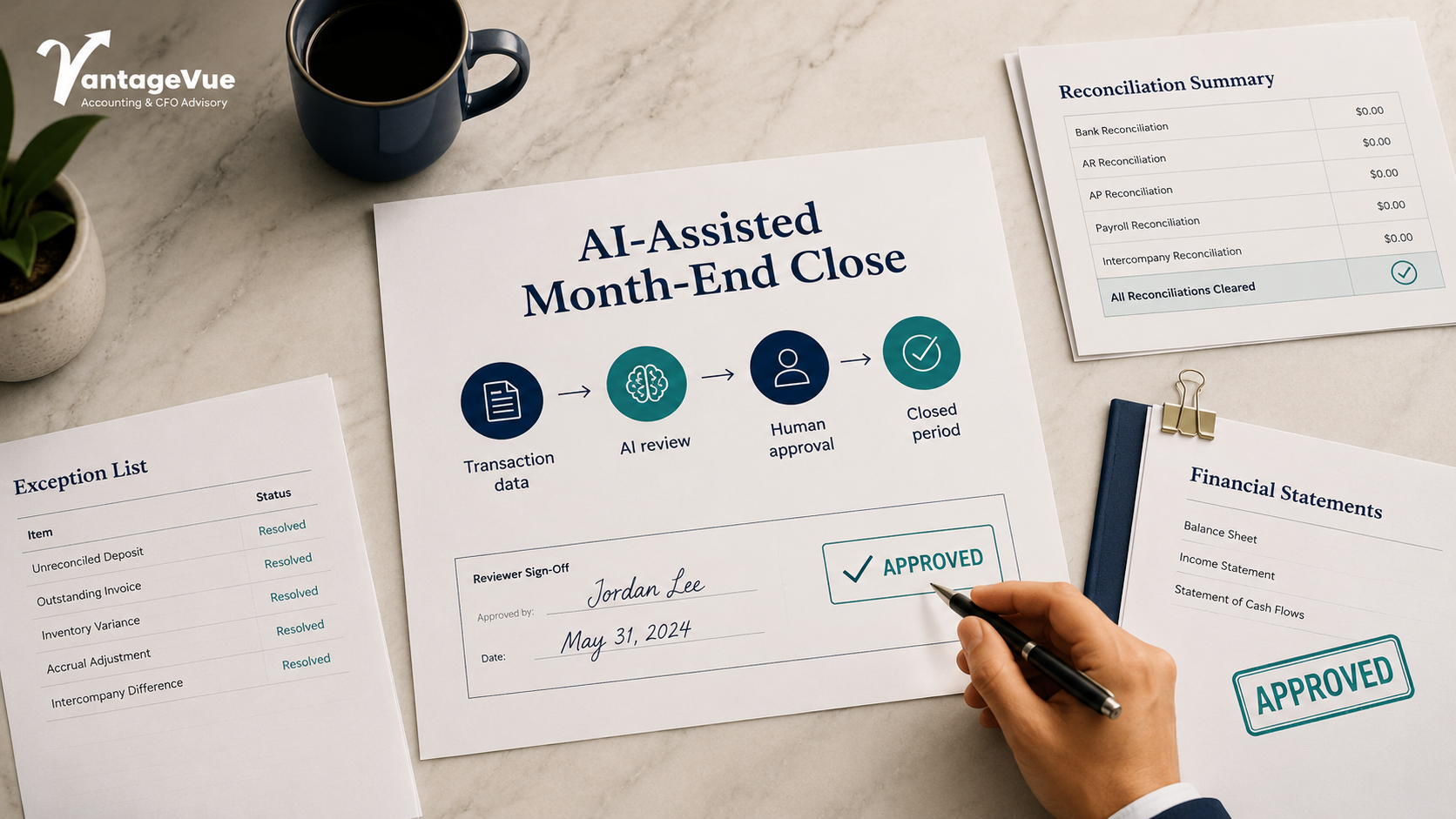
A clean close isn’t about speed—it’s about repeatability. Most close delays happen because steps live in people’s heads, not in a documented workflow.
Close hygiene checklist
| Step | Owner | Frequency | Dependency | Status |
| Bank Reconciliation | Accountant | Monthly | ERP feed | Complete |
| Accruals Posted | Controller | Monthly | Pre-close review | Complete |
| Revenue Recognition Review | FP&A | Monthly | CRM data | Complete |
| Forecast Refresh | CFO | Monthly | Post-close actuals | In progress |
Best practices
- Keep a shared close calendar in the same folder as your forecast model.
- Timestamp each checklist item internally—accountability compounds hygiene.
- Treat the close checklist as a control system, not a task list.
- Use the close as your trigger for forecast refresh, just like in the Rolling Forecast cadence.Try this: Post your close checklist in the team folder. Visibility improves accuracy faster than automation.
Integration: Hygiene Drives Speed
A clean COA enables faster closes.
A single source of truth eliminates rework.
A checklist-driven cadence ensures consistency.
When all three work together, the result is decision-ready financials within five business days—without reconciliation firefights.
Quick test: If you can’t produce a reconciled P&L + KPI deck within five business days, the hygiene gap isn’t headcount—it’s design.
Common Mistakes (and Quick Fixes)
- Overcomplicated COA → collapse redundant segments; define standard rollups.
- Multiple “sources of truth” → decide one system of record per metric.
- Manual month-end → automate reconciliations, not accountability.
- Ad-hoc cleanup → institute recurring hygiene reviews every quarter.