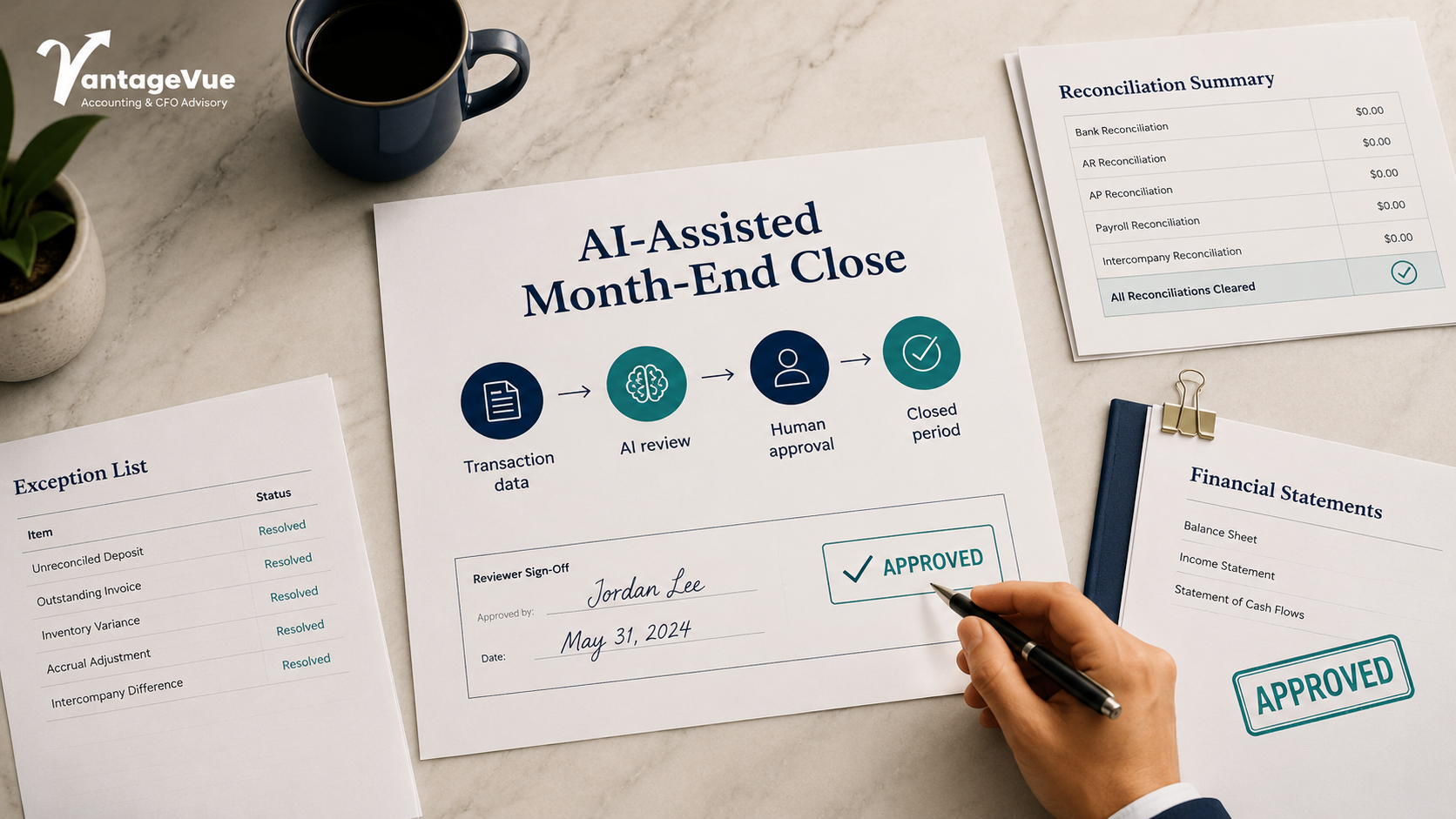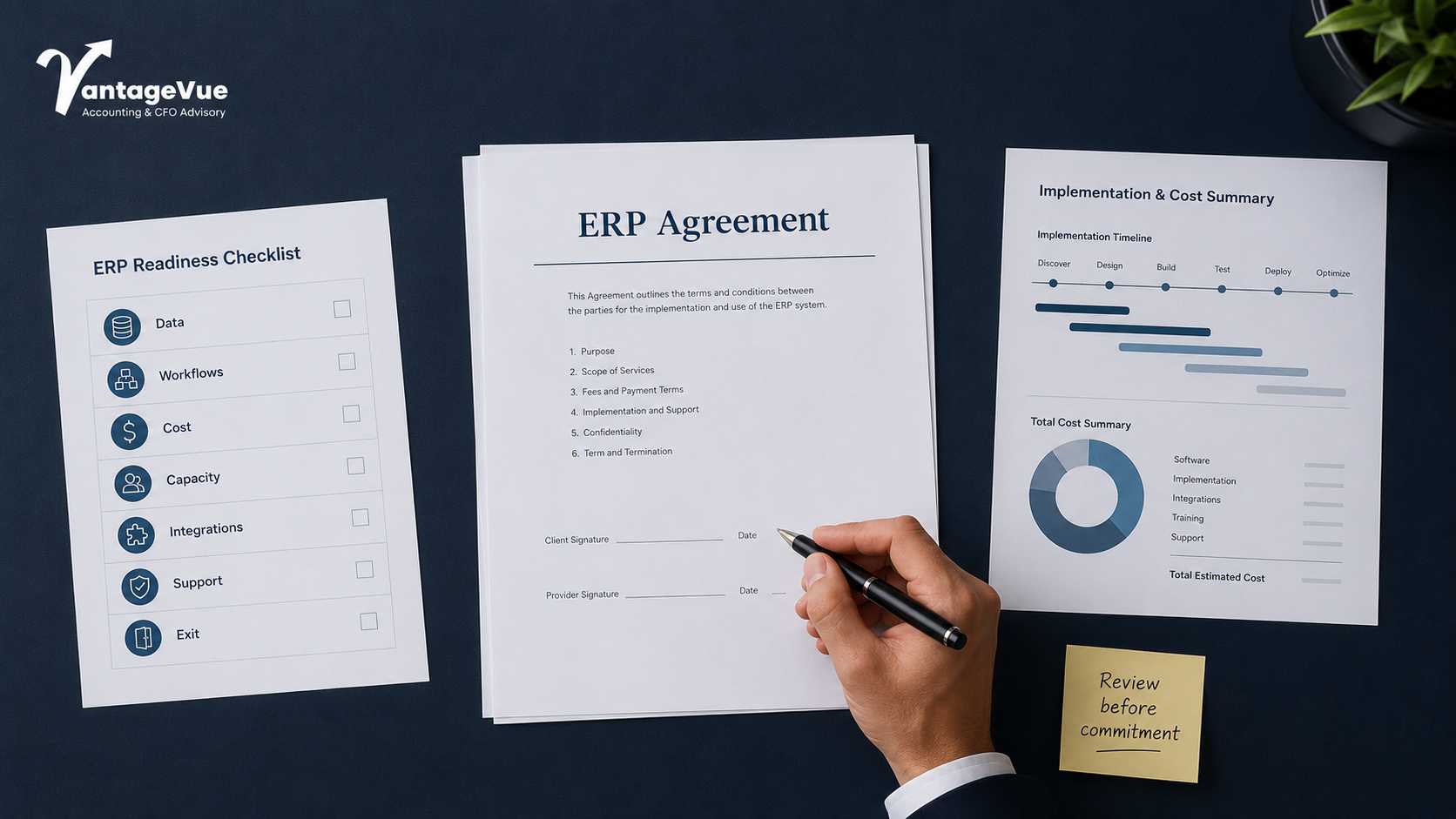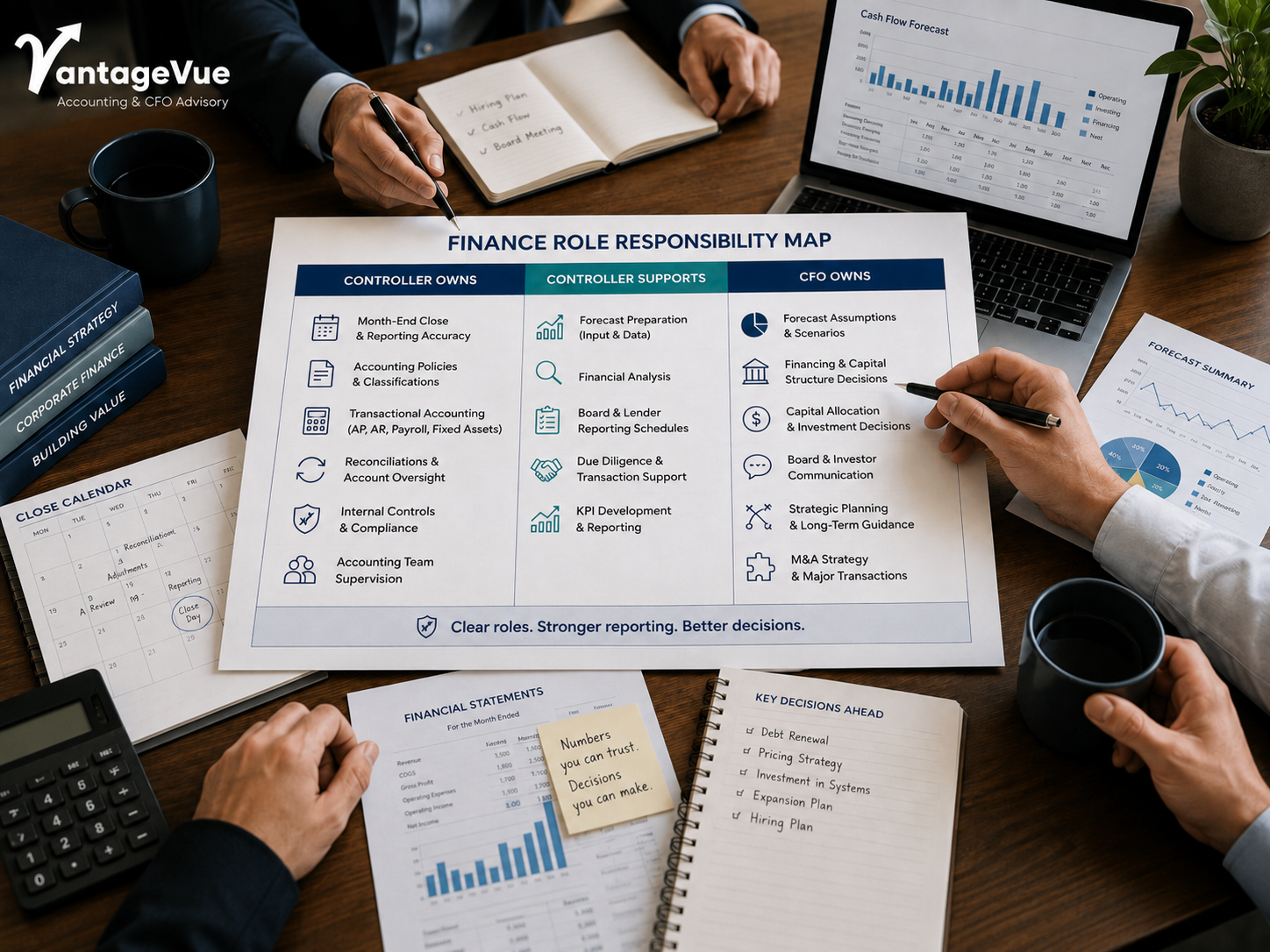


Clean books keep a business organized. Strategic finance helps leadership decide what to do next.
For many growing businesses, bookkeeping is the first layer of financial structure. It tracks transactions, reconciles accounts, manages payables and receivables, supports payroll, and produces basic financial statements. That foundation matters because leadership cannot make good decisions from unreliable numbers.
But as the business grows, clean books alone may not answer the questions leadership needs to make confident decisions.
Leaders need to understand what the numbers mean, where the business is headed, and which decisions will improve profitability, cash flow, and long-term growth. That is where the business begins to move from basic accounting into strategic finance.
Strategic finance builds on bookkeeping and accounting. It does not replace them. It strengthens them by turning accurate financial data into planning, forecasting, KPI visibility, cash flow insight, and practical decision support.
Key Takeaways
- Bookkeeping keeps financial records organized, but it does not always provide decision-ready insight.
- Growing businesses often need forecasting, cash planning, KPI visibility, margin analysis, and strategic financial guidance.
- Basic accounting becomes limited when leadership needs to understand profitability, future cash needs, and performance drivers.
- CFO advisory can bridge the gap between accurate books and confident leadership decisions.
What Basic Accounting Does Well
Basic accounting provides the financial foundation every business needs.
It helps ensure transactions are recorded properly, accounts are reconciled, bills are paid, invoices are tracked, payroll is supported, and financial statements are prepared. These functions are essential for compliance, organization, and operational control.
A strong accounting foundation typically includes bookkeeping, reconciliations, accounts payable and receivable tracking, payroll support, monthly financial statements, expense organization, tax documentation, and basic reporting.
For early-stage and smaller businesses, this may be enough for a period of time. Leadership can see revenue, expenses, and cash balances. The business has a clearer record of financial activity, and owners can keep operations moving.
But over time, financial statements alone may not explain what leadership should do next.
Where Basic Accounting Starts to Fall Short

As a company grows, financial complexity increases.
Revenue may come from multiple services, products, customers, or locations. Staffing decisions become more expensive. Margins may vary by offering. Cash flow may become harder to predict. Leadership may need to plan for financing, expansion, hiring, system upgrades, or strategic transactions.
At that stage, basic accounting can show what happened, but it may not explain what it means.
A company may see revenue increasing each month but still struggle with cash because collections are slow, staffing costs are rising, or lower-margin services are growing faster than higher-margin ones. Bookkeeping shows the activity. Strategic finance explains the impact and helps leadership decide what to adjust.
Common signs that a business has outgrown basic accounting include:
- Revenue is growing, but profit is unclear.
- Cash flow feels unpredictable despite steady sales.
- Pricing, hiring, and spending decisions are made without clear financial insight.
- Forecasts are inconsistent, outdated, or not tied to operational drivers.
- Reports are backward-looking and do not support planning.
- The business cannot easily see profitability by customer, service, product, or location.
- Growth is creating more complexity than clarity.
These issues do not always mean the accounting function is weak. Often, they mean the business has reached a stage where it needs a stronger financial management layer.
What Strategic Finance Adds
Strategic finance connects financial data to business decisions.
Instead of only asking, “What did we spend?” strategic finance asks, “What does this spending mean for profitability, cash flow, and growth?”
Instead of only asking, “What was revenue last month?” it asks, “Which revenue streams are profitable, repeatable, and worth scaling?”
Instead of only asking, “How much cash is in the bank?” it asks, “How much runway do we have, and what decisions affect it?”
Strategic finance helps leadership understand what is driving profit and cash flow, plan hiring and spending with more confidence, identify risks earlier, connect operational decisions to financial outcomes, and build forecasts around real business drivers.
This work helps leadership move from reactive reporting to proactive decision-making.
From Historical Reporting to Forward-Looking Insight
Basic accounting is largely historical. It records what already happened.
That historical view is necessary, but growing businesses also need a forward-looking view. Leaders need to understand how today’s decisions will affect the next month, quarter, and year.
For example:
- If the business hires three new team members, how will that affect cash flow?
- If pricing increases by 5%, how does that affect margin?
- If sales slow for two months, how much flexibility does the business have?
- If one service line grows faster than another, does that improve or weaken profitability?
- If the business expands into a new market, what investment is required?
These are not bookkeeping questions. They are strategic finance questions.
A forward-looking finance function helps leadership evaluate tradeoffs before decisions are made, not after the results appear in the financial statements.
Why Financial Visibility Matters More as You Grow
Growth often exposes weaknesses in financial visibility.
When a business is smaller, the owner may be close enough to the details to understand what is happening informally. But as the company adds people, customers, service lines, systems, and costs, informal visibility becomes less reliable.
Without stronger financial structure, leadership may struggle to answer important questions:
- Which parts of the business are most profitable?
- Are margins improving or declining?
- Is cash flow strong enough to support growth?
- Are expenses aligned with priorities?
- What KPIs should leadership review every month?
- What risks are developing before they become urgent?
Strategic finance gives leadership a clearer way to see the business, measure performance, and make decisions with more confidence.
The Role of CFO Advisory
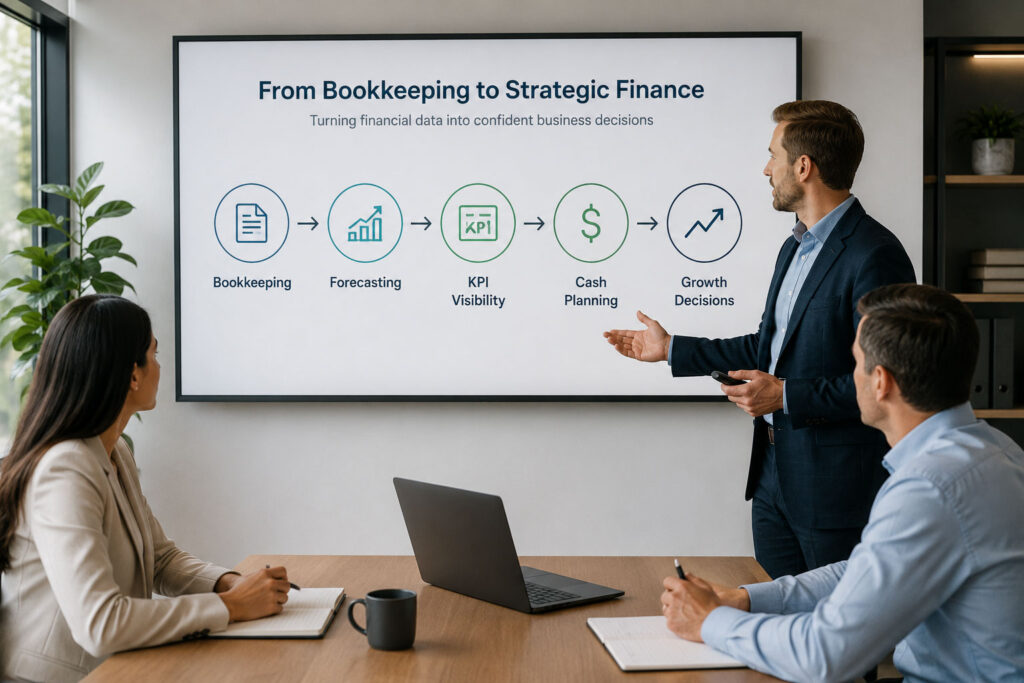
CFO advisory helps bridge the gap between accounting records and executive decision-making.
A CFO advisor does not replace bookkeeping or accounting. Instead, CFO advisory builds on that foundation and helps leadership interpret the numbers, identify risks, evaluate opportunities, and plan ahead.
This support may include building forecasts, improving reporting packages, defining KPIs, analyzing profitability, strengthening cash flow visibility, supporting pricing and margin decisions, and helping leadership understand financial tradeoffs.
The goal is not to create more reports. The goal is to make the numbers more useful.
How to Make the Transition
Moving from bookkeeping to strategic finance does not need to happen all at once. A practical transition can begin with a few focused steps.
First, strengthen the accounting foundation. Financial data needs to be accurate, consistently categorized, and available on a reliable schedule.
Second, define the key questions leadership needs answered. These may relate to profitability, cash flow, pricing, hiring, margins, or growth plans.
Third, create a simple monthly reporting rhythm. Financial reviews should not only show what happened, but explain what changed, why it changed, and what leadership should watch next.
Fourth, build a forward-looking forecast. Even a simple forecast can help leadership understand cash needs, hiring capacity, revenue expectations, and operating risks.
Finally, identify the KPIs that matter most. These should connect financial results to business drivers, not just accounting categories.
Final Thought
Basic accounting helps businesses stay organized. Strategic finance helps them make better decisions.
As a business grows, leadership needs more than clean books and monthly reports. They need financial visibility, forward-looking planning, and practical insight that connects the numbers to strategy.
That shift does not make bookkeeping less important. It makes the accounting foundation more valuable because accurate financial data becomes the base for stronger decisions.
VantageVue helps business owners and leadership teams move beyond basic reporting by strengthening financial systems, improving visibility, and providing CFO-level advisory support for smarter growth.
To discuss how strategic finance can support your next stage of growth:
info@VantageVueAdvisory.com
(612) 200-2651